

Practicing medicine in a rural or remote community can feel isolated at times. Peer 2 Peer Connect offers a confidential, non-clinical conversation with a fellow physician who understands the pressures of rural practice. Wherever you are in British Columbia, you can connect with a supportive colleague who understands your context without being a part of it. Our diverse team of peer supporters consists of physicians from rural communities across the province, each trained to offer safe, confidential, non-judgmental conversations.
- A Safe Space Among Colleagues
P2P connects physicians and nurse practitioners with trained peers for short, private conversations focused on listening and support. P2P Connect is designed for the everyday challenges of medicine — the kinds of issues that do not require a formal referral, but are too heavy to carry alone.
This is not a crisis service. If you need immediate help, the Physician Health Program (PHP) is available 24/7 at 1-800-663-6729.
- When P2P Connect Can Help?
- After a difficult case or adverse event
- When facing a patient or College complaint
- In times of conflict with a patient or colleague
- When experiencing burnout, moral injury, or professional isolation
- When life outside of work is taking a toll
- When the isolation of rural practice weighs heavily
- When experiencing discrimination or feeling “othered” in the workplace
- What Does P2P Connect Involve?
What it is:
- Short, confidential conversations (usually 1 to 3 sessions)
- Conversations with a physician who understands the realities of practice in small communities
- A chance to talk things through and hear reassurance that you are not alone
What it is not:
- Therapy or counselling
- Clinical care or medico-legal advice
- A long-term mentorship or coaching program
- Confidentiality
Confidentiality is an integral part of our program. Only the Peer 2 Peer Connect team have access to your name and contact information for the purpose of facilitating a match and contacting you.
Conversations are private. Peer Supporters do not take notes and there is no report back to anyone. The only exception would be situations where someone’s safety is at risk.
How It Works
- Request support through a short, confidential form: Self Referral Form
- Refer a colleague, with their consent, through: Refer a Colleague Form
- Matching: Our P2P Connect team will connect you with a Peer Supporter from across the province.
- Timely response: You will hear back within one week of submitting your request.
- Connect your way: Phone or video is most common connection method for Peer 2 Peer Connect. You can indicate your connection preference on the request form.
Meet Our Peer Supporters
Peer Supporters are rural and remote physicians trained in peer support. They are colleagues who understand the realities of long call shifts, travel challenges, small-town visibility, cross-cultural communication, and the unique pressures of rural practice. Click on the buttons below to meet your Rural and Remote Peer Supporters:
- Dr. Juliana Losier
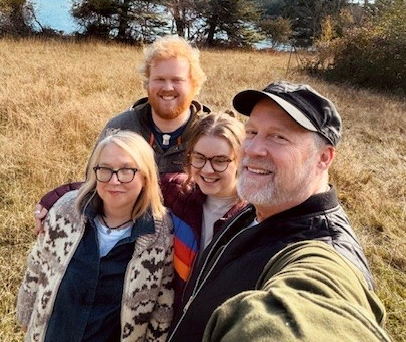
Dr. Juliana Losier is a committed family physician serving the community of S,ḴŦAK / Mayne Island, where she brings nearly 25 years of dedication to rural family and emergency medicine. Her passion for medicine is matched by her devotion to her family, and she openly acknowledges the real-life challenge of finding balance between her work and personal life—a journey shaped by the unique demands of island living. Dr. Losier deeply values the well-being of healthcare providers, believing this to be fundamental for compassionate patient care. She champions preventive medicine and the healing influence of nature, nutrition, and exercise. As an IMG with more than 35 years in medicine, including postgraduate residency at the University of Saskatchewan and a fellowship in family medicine, Dr. Losier continually invests in her growth through ongoing education, focusing on areas like trauma-informed care, Indigenous cultural safety, mindfulness, and coaching. Her story is one of resilience, compassion, and unwavering commitment to both her patients and her own personal well-being.
- Dr. Amir Ali Amirzadeh Ghomi
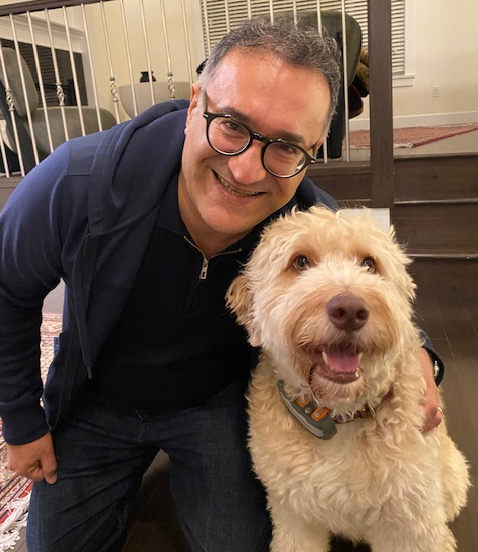
Dr. Amir earned his medical degree from Moscow State Medical University in 2001 and completed postgraduate training in ophthalmology with a subspecialty in retina. He practiced as a specialist before immigrating to Canada, where limited access to specialist roles prompted him to pursue an alternative path by completing all necessary medical licensing examinations. He then returned to training and finished his family medicine residency in 2017. Since then, Dr. Amir has been practicing as a family physician, drawing on his perseverance and adaptability throughout this journey. His professional experience has given him a profound appreciation for the emotional and psychological challenges, such as anxiety, uncertainty, and frustration, that individuals may face during major life transitions. Dr. Amir currently practices on Galiano Island.
- Dr. Memoona Akram
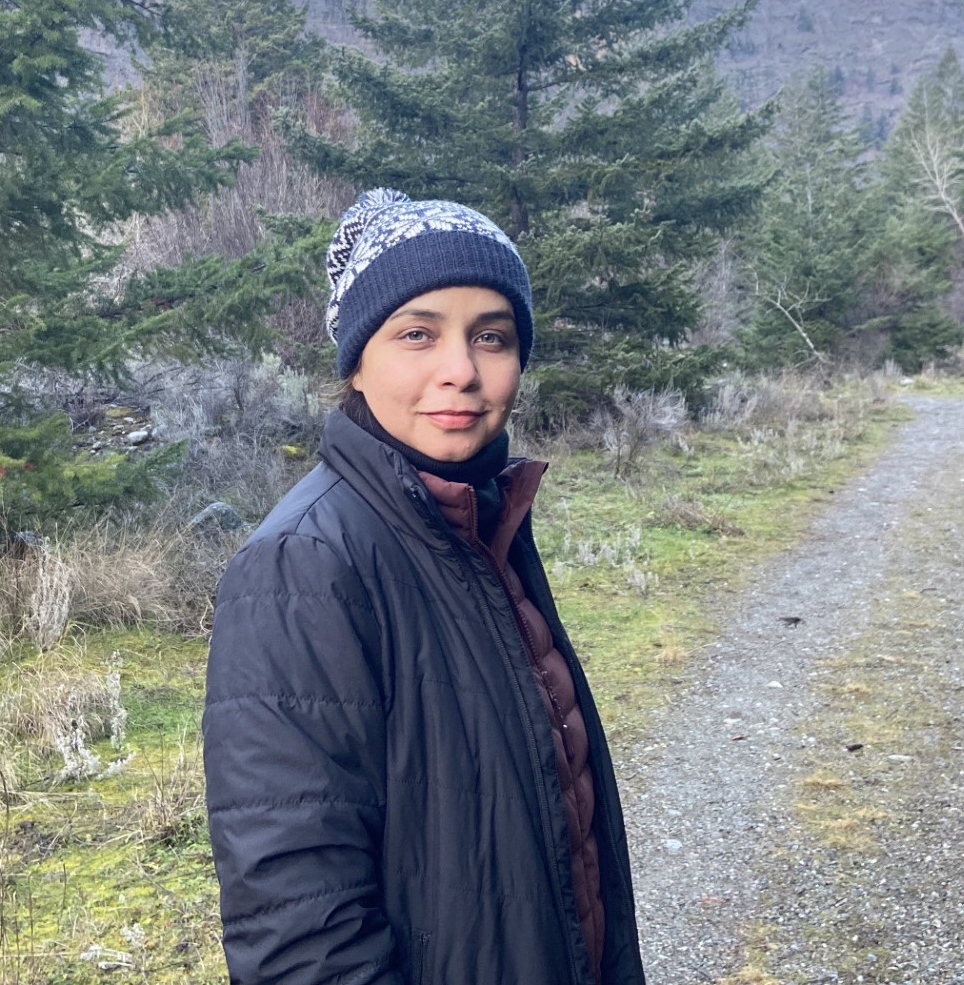
Born in Quetta, Pakistan, Dr. Memoona Akram attended medical school and completed her residency training at the University of Health Sciences. She is a dedicated physician who cares for patients in both Lillooet and Kamloops, embracing the rewarding balance between the personal connections of rural medicine and the dynamic pace of a semi-urban setting. Outside her clinical practice, Dr. Akram cherishes time with her husband and their four children. She is passionate about hiking and outdoor pursuits, which keep her deeply connected to nature and the communities she serves.
- Dr. Chibuikem Ofoegbu (Dr. Chi)
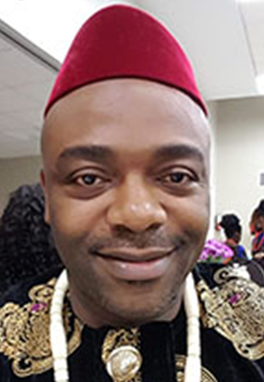
Dr. Chibuikem Ofoegbu (Dr. Chi), a family physician originally from Southeastern Nigeria, earned his medical degree in 2007 and practised in Nigeria for seven years before moving to Canada. After overcoming the challenges faced by many international medical graduates, including a return to Nigeria and further licensing hurdles, he settled in Clearwater, BC in September 2021. There, he began practising full-scope family medicine, helping address a significant shortage of physicians in the community. Dr. Chi is passionate about equitable healthcare, preventive medicine, mental health, and women’s health, and currently serves as physician lead for the Clearwater chapter of the Rural and Remote Division of Family Practice. He enjoys rural living, BC’s natural beauty, and, in his free time, plays soccer and spends time with his wife and three sons.
Become a Peer Supporter
If you would like to support colleagues, training and resources are provided. We keep the role clear and manageable — usually a few conversations a year, with administrative support. To become a Peer Supporter, click here to forward an email to our P2P Connect team.
- Have Questions?
For more information about Peer 2 Peer Connect, email Nusrat Zarin at: nzarin@rrdfp.ca.

- Additional Resources
- Physician Health Program - 24/7 confidential support for physicians, medical students, and families. Offers counselling, referrals, addiction support, and crisis response. (24/7): 1-800-663-6729.
- Canadian Medical Protective Agency Wellness - Helpful resources on medical-legal assistance.
- Doctors of BC Regional Advisors & Advocates - RAAs provide local advocacy, conflict resolution, and system navigation for physicians. Particularly valuable for rural doctors needing support around contracts, workload, or system challenges.
- BIPOC Peer Support Group - This group offers Black, Indigenous, People of Colour (BIPOC) physicians a safe space to discuss their challenges and share their lived experiences.
- Canadian Medical Association – Physician Wellness Hub, a collection of resources, information and programs leading the way to physician wellness.
- UBC Resident Wellness Office – Counselling and Peer Support.
- Frequently Asked Questions
Q: How quickly will I hear back?
You will be contacted within one week of submitting a request.
Q. Who will I be connected with?
You will be matched with a trained Peer Supporter — a physician who knows the realities of rural and remote work.
Q. How many conversations can I have?
Most physicians connect for one to three conversations. If you need more support, we will help connect you with the right resource.
Q: Is it confidential?
Yes. No notes are taken, and no reports are shared. The only exception is if there is a concern about your safety or others safety.
Q: Is this therapy?
No. This is peer support — a chance to talk with a colleague who understands.
Q: What kinds of issues can I bring?
You can bring any issue that is affecting you professionally or personally. Examples include difficult cases, College complaints, burnout, discrimination, or family stress.
Q: What if I need urgent help?
This is not a crisis service. For immediate support, call the Physician Health Program anytime, 24/7 at 1-800-663-6729.
Q: What kind of training do peer supporters receive?
They received training by Dr. Jo Shapiro, founder of the Harvard's Brigham and Women's Hospital Center for Professionalism and Peer Support, through the accredited Peers for Peers course at the Schulich School of Medicine & Dentistry Wellbeing Program at the University of Western Ontario, in a coaching session by Dr. John Van Aerde, Executive Medical Director of the Canadian Society of Physician Leaders and the Founding Editor of the Canadian Journal of Physician Leadership, and through the Physician Health Program of BC.